
The Righteous label’s Fit Chart Broken Down: Steering Clear of Common Fit Mistakes
Shopping online means you can’t try a piece on before you buy it, and that single fact is behind more returns than any other issue in online clothing sales. Righteous has cultivated a following on bold graphics and streetwear silhouettes, but even the sharpest design loses its impact if the fit is wrong. Becoming acquainted with how Righteous garments are cut, where they run loose, and where they run fitted, will save you time, money, and the hassle of a return shipment. This guide unpacks the practical side of sizing so your next order arrives ready to wear, not headed straight back to sender.
The brand has developed into a familiar name in the streetwear market, and part of that reputation rests on reliability. Buyers who grasp the brand’s approach to fit tend to report fewer sizing headaches than those who guess based on a single different label’s measurements. Seeing as no two brands size quite the same, treating any buy as its own decision, rather than assuming a universal standard, is the wisest approach.
How Sizing Slip-Ups Keep Occurring
Most fit mistakes come down to one thing: shoppers carry over their size from a totally unrelated company to a new one without confirming the genuine numbers. A medium in one label can be off by two or three inches in chest width from a medium at a different company. That gap is enough to reshape a laid-back urban cut into either a sloppy loose result or an restrictive fit across the shoulders.
One more recurring mistake is ignoring the difference between body measurements and garment measurements. Body measurements describe you; garment measurements describe the clothing itself, including deliberate righteous shorts extra space added in for style. A hoodie built for an loose, drop-shoulder style will always measure bigger than your genuine chest size, and that is planned that way, not a mistake in the chart.
Post-wash shrinkage is a third factor many fail to consider. Garments high in cotton content, including many Righteous hoodie styles, can shed a small percentage of their size in the first few washes if not handled properly. Reading the care label before the first wash and adhering to it closely reduces this risk quite a bit. Cold water and low heat drying settings preserve fit far better than warm or hot laundering.
Getting an Accurate Self-Measurement
You’ll find three measurements that matter most before buying any piece: chest, waist, and your preferred length. Wrap a pliable tape measure around the fullest part of your bust, making sure it stays straight and secure but not constricting. Repeat this around your midsection, generally a bit higher than your navel. Record your ideal length by measuring a sweatshirt or tee you already own and love the fit of, running from the shoulder seam to the bottom hem.
Write these three numbers down before browsing the Righteous clothing brand’s product pages. Preparing them in advance prevents rushed size choices shaped by rough estimates or by what “feels right” based on recollection alone. Memory is unreliable; a tape measure is not.
It’s worth taking the time to measure a garment you currently have that fits the way you want a new piece to fit, laid flat, and match that flat-lay figure to the product’s posted measurements. This flat-lay method is more reliable than relying on standard S/M/L labels, since size labels change with cut and season, all the more because Righteous apparel refreshes its shapes each year.
Reading the Righteous Size Chart
A size chart usually shows measurements in inches or cm across a top-to-bottom row of sizes, with chest, waist, and sometimes hip and length figures underneath. The key is pairing your physical measurement to the right row, not the nearest labeled size. If you find yourself between two sizes, choosing the bigger size is typically the more dependable option for street-inspired garments made to fit loose, while going smaller works best for anyone seeking a leaner, more tailored silhouette.
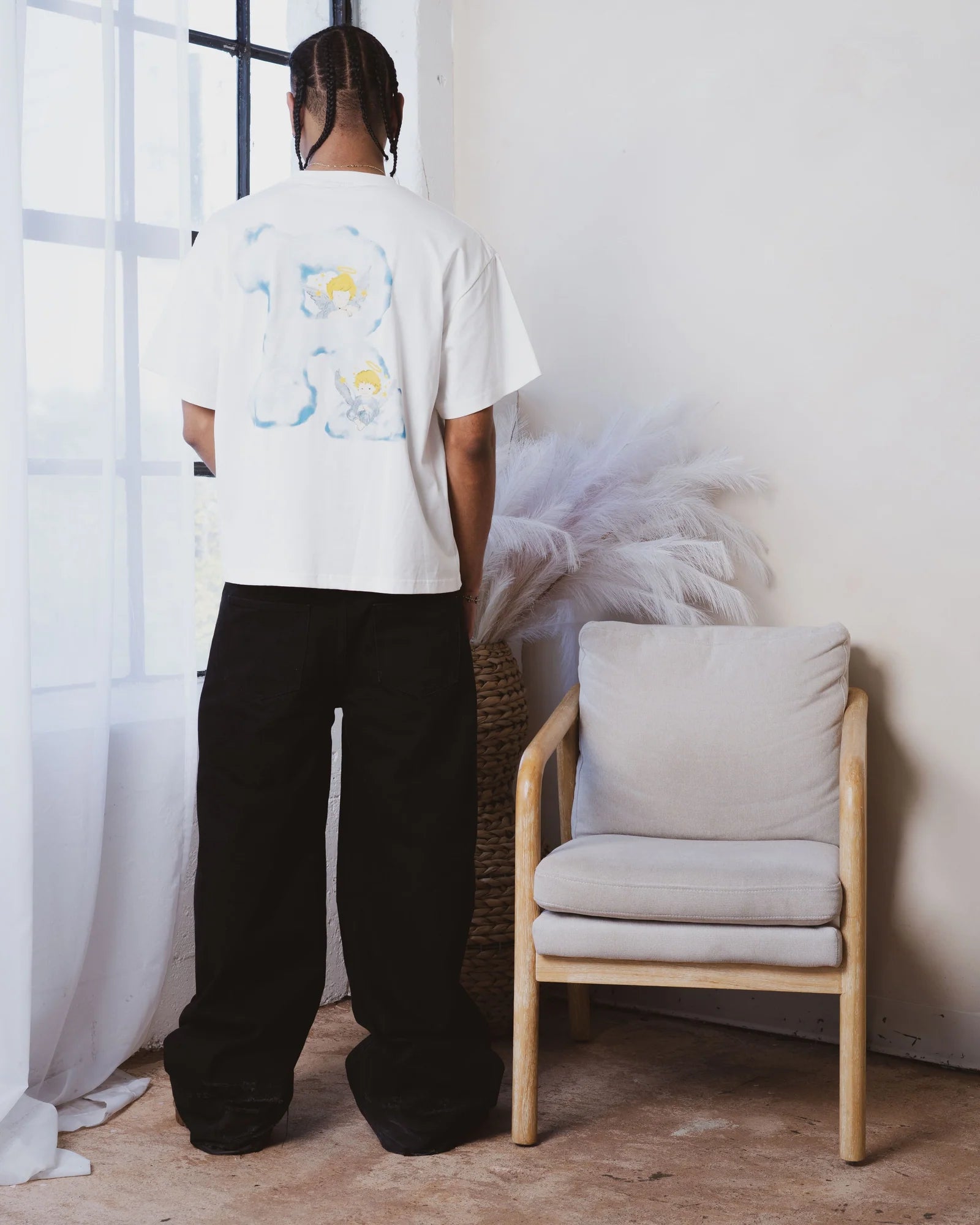
Take special note of the unit system. Confusing centimeters for inches is a frequent and entirely avoidable mistake that causes garments turning up multiple sizes wrong. Verify the unit indicator at the top of the chart no matter what, even for repeat customers of the brand, since details can be changed between collections.
Here is a approximate comparison of how a relaxed urban fit tends to differ from a fitted or regular fit across chest measurements, to demonstrate why silhouette choice matters as much as size letter.
| Size Name | Tailored Fit Chest (inches) | Loose/Oversized Chest Measurement (inches) | Suggested Chest Range (inches) |
|---|---|---|---|
| Small | 36-38 | 40-42 | 34-36 |
| Medium | 39-41 | 43-45 | 37-39 |
| Large | 42-44 | 46-48 | 40-42 |
| XL | 45-47 | 49-51 | 43-45 |
The chart above is a general illustration of how cut style alters the numbers associated with the same size label, not a substitute for the precise figures shown on each product page. Make it a habit to check the specific chart paired with the item you want, since a Righteous hoodie and a snug-fit tee will not have the same proportions even in the same size label.
Fit Differences Between Hoodies, Tees, and Bottoms
Seeing as the brand’s hoodies usually get cut with extra room through the body and sleeves for that classic urban hang, sticking with your usual tee size in a hoodie can result in a surprisingly oversized feel. If you prefer a tighter silhouette, verifying the garment’s chest measurement against your own—rather than guessing at your typical letter size—avoids regret.
Tees fit distinctly. As they feature less fabric overall, and are often worn as an under-layer, a tighter fit is more typical in tee sizing charts relative to hoodie sizing guides. Depending on how roomy each style is meant to be, someone fitting a large in a Righteous hoodie may find a medium works comfortably in the brand’s tee cuts.
Bottom-half pieces bring in a third variable: waist compared to hip sizing, plus leg length. The brand’s joggers and shorts, often list both waist and hip numbers, since a waist-correct fit might still feel tight or loose at the hip depending on your build. Checking both numbers, not just the waist, avoids an unpleasant surprise.
What Customer Reviews of Righteous Say About Fit
Buyer commentary is one of the handiest tools when a formal chart alone doesn’t answer your specific question. Often, an in-depth Righteous review notes whether an item runs true to size, a bit large, or clearly small—real-world detail that complements the official measurements. Trends seen across several reviews are steadier as a guide than any single comment, since builds and personal preferences vary enormously.
As you skim a We Are Righteous review, look for any reference to the reviewer’s usual size at other brands and how it stacked up against the Righteous piece. A reviewer who says “I’m usually a medium everywhere and this fit true” provides a helpful data point, especially if several other reviewers back up the same takeaway.
It’s also worth noting reviewer height and weight when reviewers share them, since this information add nuance that a static measurement chart can’t. Two people with the same chest measurement but different heights may prefer different lengths in the same hoodie, and reviews often surface these nuances better than a static chart.
Typical Fit Pitfalls to Watch For in 2026
The most common error remains skipping the size chart entirely and ordering based on assumption. Even seasoned We Are Righteous shoppers should look over the newest charts each season, since fit tweaks between drops are common. Fit that was accurate a year ago may change slightly once pattern blocks are revised.
A further misstep is neglecting garment length in favor of only reviewing width. A hoodie can have the correct chest measurement but an unexpectedly short or long body length, which changes how it sits when paired with various bottoms. Checking the length figure with a piece you already own is a quick, five-minute step that prevents plenty of regret.
In closing, don’t dismiss the return and exchange policy before you buy, and treat it as a safety net rather than avoiding a purchase because you’re worried about getting it wrong. Even with careful measuring, occasional mismatches occur, and being aware you have that option lifts needless pressure from every order.
Putting these steps into practice, measuring with care, reading the specific chart for each item, and weighing real customer feedback, converts a possibly frustrating guesswork into a clear decision. Righteous’s clothing rewards this little upfront effort with garments that fit as intended, season after season.